RingkasanLearn how SEO works and what it takes to rank higher on Google, from on-page optimization to link building, for faster and lasting results.
Why do some websites always appear on Google’s first page while others are hard to find? You might have a good-looking website with lots of information. But without the right plan, your site could get lost among millions of others.
Stand out from competitors. Incorporate SEO strategies into your marketing now. To use it correctly, you also need to understand how SEO boosts visibility and drives genuine traffic to your business.
What Is SEO?
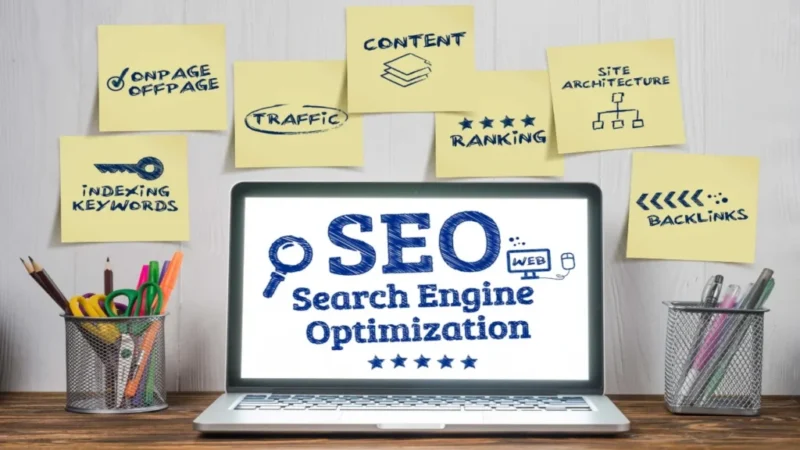
Search Engine Optimization, or SEO, is the process of optimizing a website so it appears in Google’s search results organically. This strategy covers the optimization of various aspects, including content, website technical elements, and external factors such as backlinks. With the right SEO, your business website can reach a relevant audience without relying entirely on paid advertising.
What Are the Types of SEO?
There are three types of SEO that work together to improve a website: on-page, off-page, and technical SEO.
1. On-page SEO
On-page SEO focuses on optimizing elements within the website, such as content, headings, and keyword usage. This process gives each page a clear structure that Google’s search engine easily understands. With the right optimization, your website’s content will be more relevant and more likely to achieve top rankings.
2. Off-page SEO
Off-page SEO strengthens your website’s credibility and authority in Google’s eyes by using high-quality backlinks from other websites.
3. Technical SEO
Lastly, technical SEO focuses on optimizing technical aspects, such as website speed, URL structure, and indexing. A fast, easily accessible website provides a better user experience and facilitates search engine indexing.
The Differences Between SEO and SEM
SEO and SEM both increase search engine visibility but draw traffic from different sources, achieve results over different time frames, incur different costs, maintain results differently, and build audience trust to varying degrees.
1. Traffic Sources
SEO generates organic traffic without a cost-per-click. SEM drives traffic through paid search engine advertising.
2. Time to Results
SEO takes time to show results as it relies on the optimization and ranking process. Conversely, SEM can deliver instant results as your adverts appear immediately once the campaign goes live.
3. Costs Involved
SEO costs tend to be more cost-effective in the long term because they do not require recurring advertising expenses. This contrasts with SEM, which requires a consistent budget as each click or impression incurs a specific cost.
4. Sustainability of Results
SEO results are long-term and can continue to generate traffic even after optimization is complete. Meanwhile, SEM only delivers results while the ad is running.
5. Audience Trust Level
Users generally trust SEO strategies because they deliver organic results perceived as more relevant. In contrast, audiences sometimes view SEM ads as mere promotions, which erodes their trust.
How Does SEO Work?
According to the Moz website, you can understand SEO through three main stages: crawling, indexing, and ranking. Let’s take a look at the explanation below.
1. Search Engines Discover Websites (Crawling)
Google bots explore web pages across the internet, discovering new or updated content in a process called crawling. The easier you make it to access your website, the faster the crawling process will be.
2. Search Engines Store Data (Indexing)
After discovering a page, Google will store and organize this information in a database. This process, called indexing, enables your page to appear in search results. Without indexing, your website will not appear on Google.
3. Google Determines Rankings (Ranking System)
Google then determines a website’s position based on the relevance and quality of its content. Factors such as keywords, user experience, and authority significantly influence rankings. The better your optimization, the higher the chance your website will appear on the first page.
Benefits of SEO for Business
Here are some benefits of implementing SEO for your business, based on information from the Digital Marketing Institute website:
1. Increases Visibility and Improves Rankings
SEO ensures that your website appears in relevant search results. Higher visibility helps your audience discover your brand more easily.
2. Drives Web Traffic
With better rankings, your website attracts more visitors. This higher-quality traffic comes from user searches and increases the likelihood of long-term conversions.
3. Demonstrates Brand Authority
When your website appears on the first page, users tend to consider it more trustworthy. The more authority your brand earns, the stronger your business stands with your audience.
4. Delivers a Better Customer Experience
SEO lets you create a faster, more user-friendly website. It enhances user experience and boosts your website’s performance.
Build a More Targeted and Impactful SEO Strategy
That’s an explanation of how SEO works that you should keep in mind. Once you understand its definition and benefits, you can be confident that this strategy is highly effective for boosting your website’s visibility and performance.
To achieve optimal results, you need a structured strategy. This includes audits, keyword research, content optimization, technical SEO, and authority building. Let’s discuss your SEO strategy needs with Apikly. We help implement various SEO strategies tailored to your needs—from local SEO and e-commerce SEO to Webflow SEO.
We devise and implement strategies and provide monthly reports. This ensures every SEO strategy truly delivers results for your business.
Let’s discuss your SEO strategy with Apikly and consistently improve your website’s rankings and traffic!
FAQ
What is the 80/20 rule for SEO?
The 80/20 rule states that a small portion of SEO effort (about 20%) can yield the majority of results (about 80%) when executed with the right focus.
Is SEO dead or evolving in 2026?
SEO continues to matter. Google now prioritizes quality content, user intent, and user experience over outdated tactics.
Can ChatGPT do SEO?
Yes, ChatGPT can help create SEO content such as articles and meta descriptions. However, a human strategy is still needed to determine keywords and content direction.
Will SEO be replaced by AI?
No, because AI still requires content from search engine results. If there is no optimized content, AI has no source to display.